“All products are sold strictly for research purposes only and are not intended for human consumption. No medical advice is given or implied. Purchasers must be 18 years of age or older. You must agree to these terms and conditions before placing an order.”
Delta Sleep-Inducing Peptide (DSIP) is a naturally occurring neuropeptide that is primarily sold in the UK
research chemical only, and is not approved by the MHRA or other health authorities for therapeutic use in humans. DSIP has been the subject of research into its potential benefits, which include:
Potential Research Benefits
DSIP has been studied for a variety of effects, though clinical trials in humans have produced mixed results and much of the research is based on animal studies:
Sleep Regulation: The primary area of research, DSIP has been shown in some studies to promote deep, restorative (slow-wave) sleep and decrease the time it takes to fall asleep in individuals with disturbed sleep patterns. Unlike traditional sedatives, it appears to modulate sleep naturally without causing dependency.
Stress and Anxiety Reduction: Research suggests DSIP may help regulate the body's stress response by modulating cortisol (stress hormone) levels and enhancing relaxation. It has shown anxiolytic effects in animal models.
Pain Management: Studies have indicated that DSIP may have analgesic (pain-reducing) properties, possibly by interacting with opioid receptors, which could make it beneficial for chronic pain conditions.
Hormonal Influence: DSIP has been linked to the modulation of various hormones, including the stimulation of luteinizing hormone (LH) and growth hormone (GH) release, which is important for physical recovery and overall vitality.
Neuroprotection: Ongoing research is exploring DSIP's potential to protect neurons from oxidative stress and its possible applications in neurodegenerative diseases like Alzheimer's and Parkinson's.
Substance Withdrawal: Some promising, albeit small, studies in humans have suggested DSIP may help alleviate withdrawal symptoms from alcohol and opiates.
“All products are sold strictly for research purposes only and are not intended for human consumption. No medical advice is given or implied. Purchasers must be 18 years of age or older. You must agree to these terms and conditions before placing an order.”
Delta Sleep-Inducing Peptide (DSIP) is a naturally occurring neuropeptide that is primarily sold in the UK
research chemical only, and is not approved by the MHRA or other health authorities for therapeutic use in humans. DSIP has been the subject of research into its potential benefits, which include:
Potential Research Benefits
DSIP has been studied for a variety of effects, though clinical trials in humans have produced mixed results and much of the research is based on animal studies:
Sleep Regulation: The primary area of research, DSIP has been shown in some studies to promote deep, restorative (slow-wave) sleep and decrease the time it takes to fall asleep in individuals with disturbed sleep patterns. Unlike traditional sedatives, it appears to modulate sleep naturally without causing dependency.
Stress and Anxiety Reduction: Research suggests DSIP may help regulate the body's stress response by modulating cortisol (stress hormone) levels and enhancing relaxation. It has shown anxiolytic effects in animal models.
Pain Management: Studies have indicated that DSIP may have analgesic (pain-reducing) properties, possibly by interacting with opioid receptors, which could make it beneficial for chronic pain conditions.
Hormonal Influence: DSIP has been linked to the modulation of various hormones, including the stimulation of luteinizing hormone (LH) and growth hormone (GH) release, which is important for physical recovery and overall vitality.
Neuroprotection: Ongoing research is exploring DSIP's potential to protect neurons from oxidative stress and its possible applications in neurodegenerative diseases like Alzheimer's and Parkinson's.
Substance Withdrawal: Some promising, albeit small, studies in humans have suggested DSIP may help alleviate withdrawal symptoms from alcohol and opiates.
- When purchasing this item, don't forget your Bac Water and Syringes.

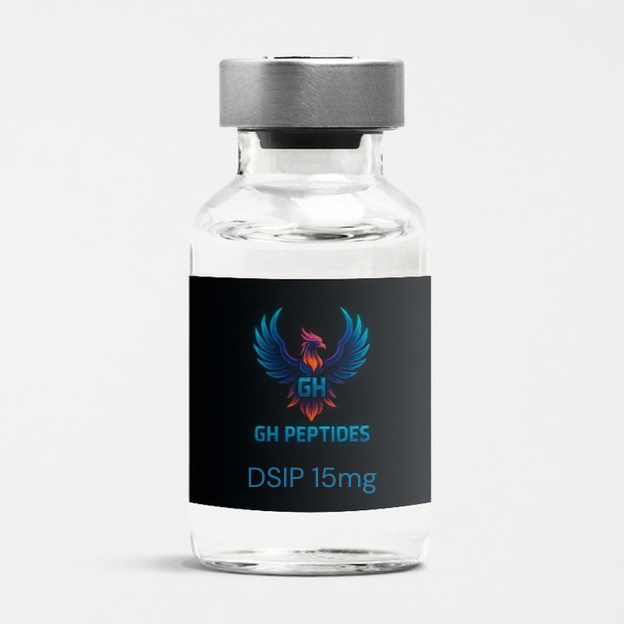 Image 1 of 1